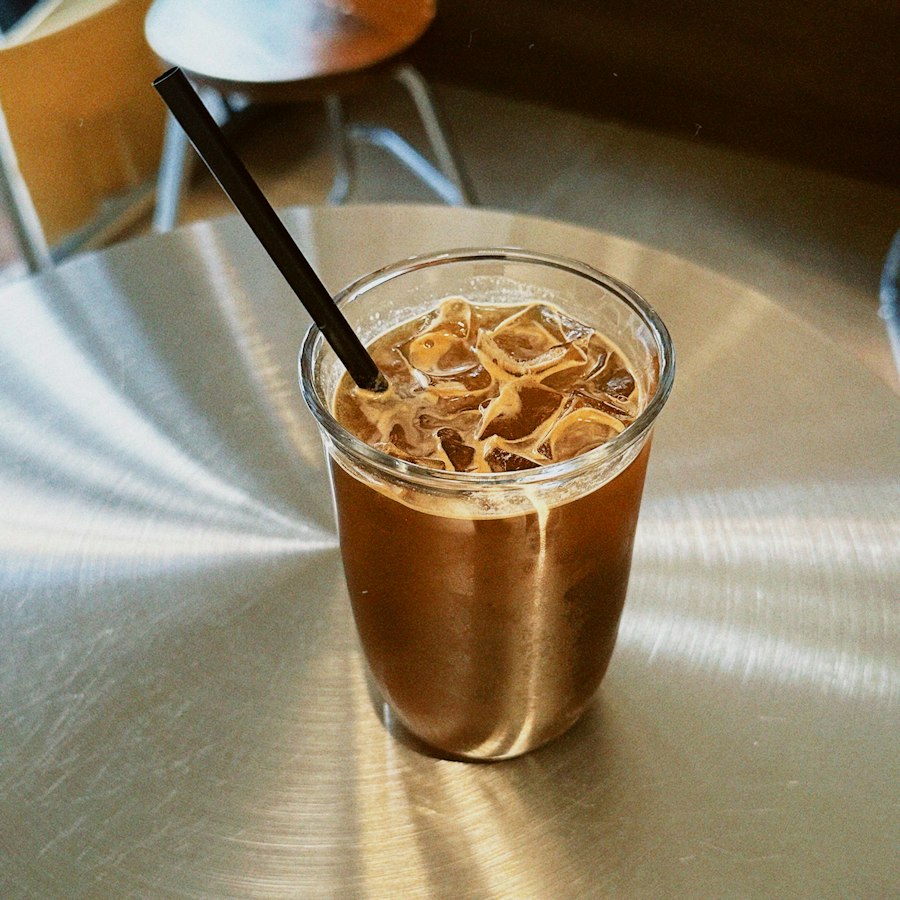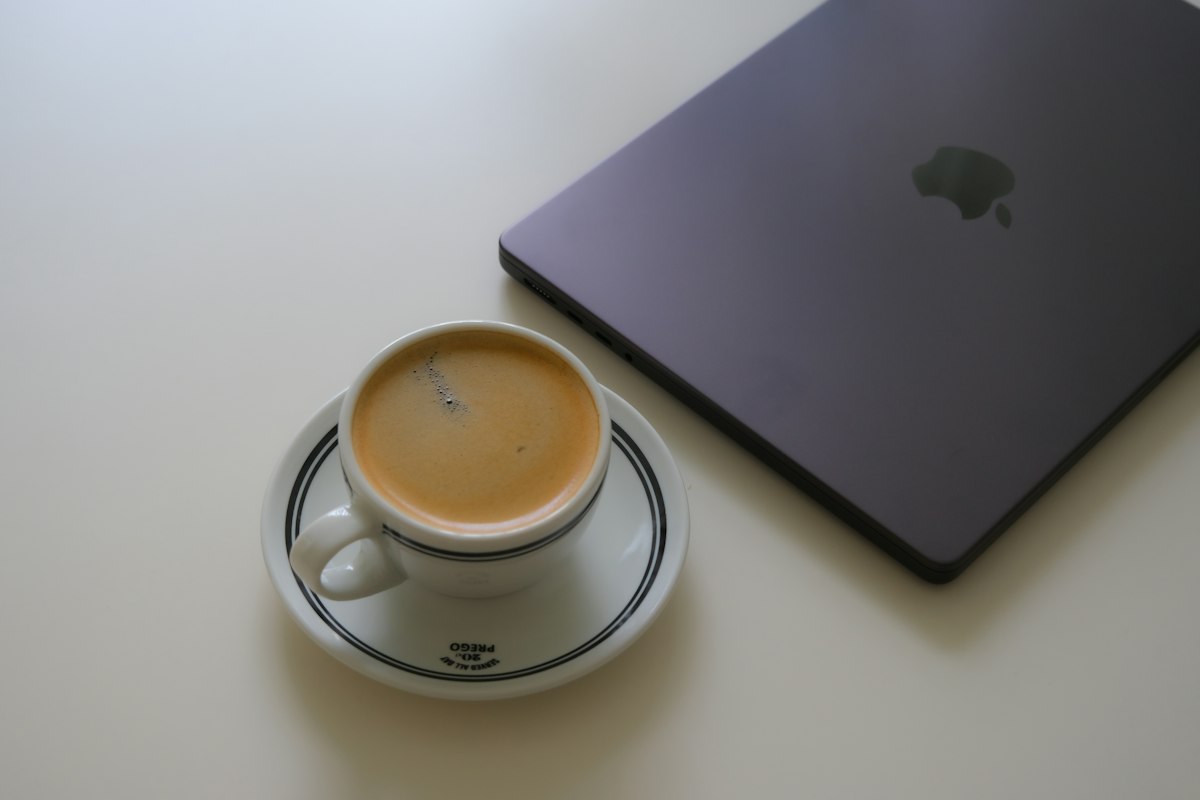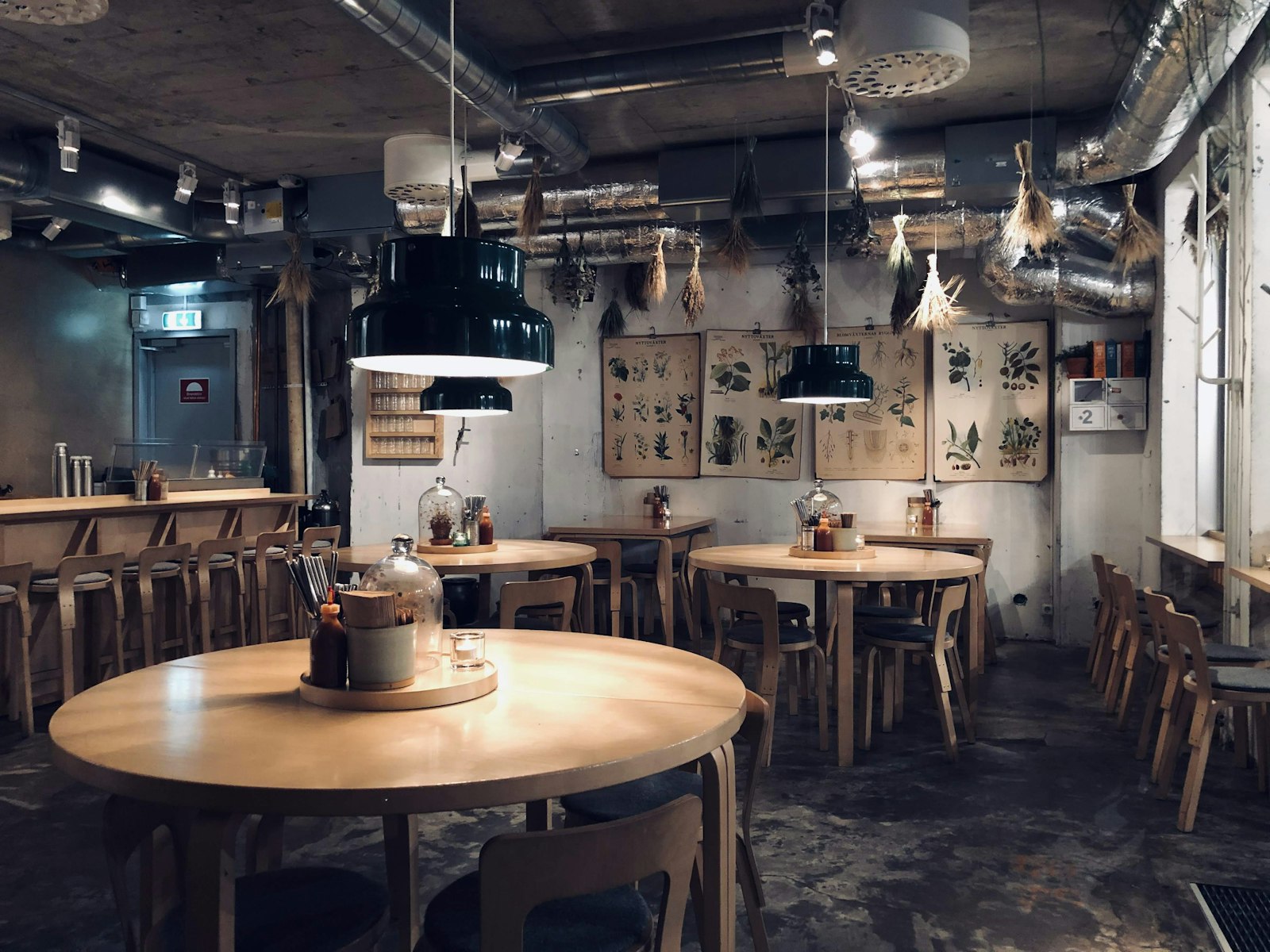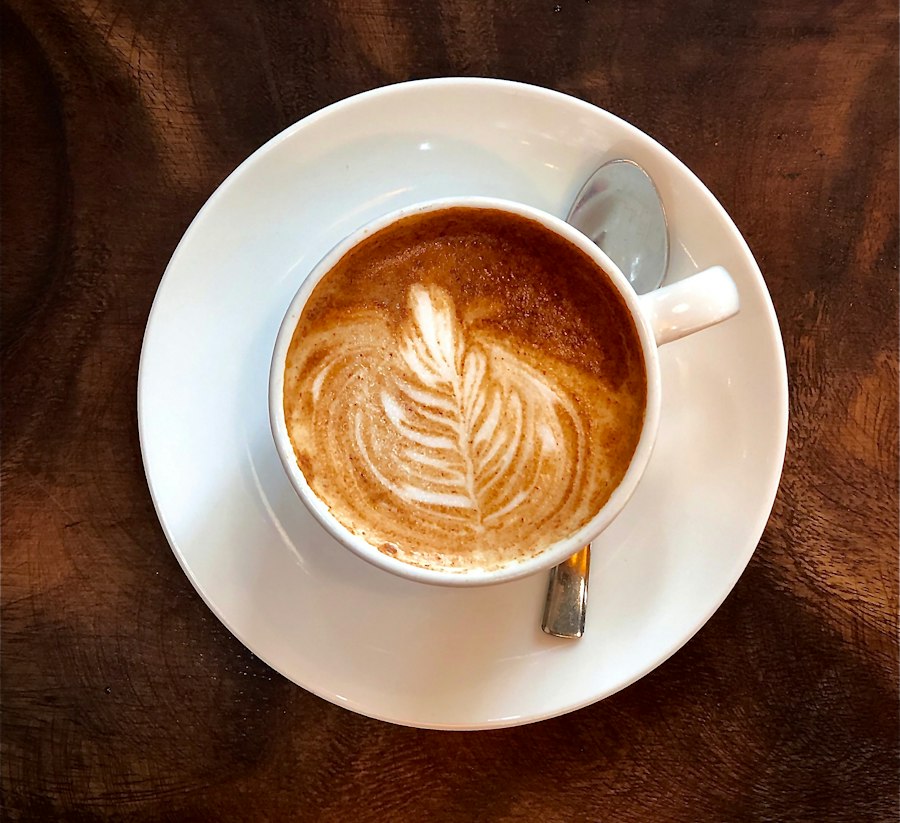
There is a particular pause that happens at a coffee counter. Someone reads the board, gets three drinks in, realises they are not entirely sure what a cortado is, and orders a latte because a latte is safe. I have watched it happen at 42 Kiln Street several thousand times, and I want to be clear about something: that pause is our fault, not yours. Coffee menus are written in a shorthand invented by people who already know the answer.
So here is the whole espresso menu in plain English, with the actual numbers we work to behind the bar. Read it once and you never have to do the pause again.
First, the one thing everything is built from
Every drink on our espresso list starts with the same thing: a double shot of Kiln Street No. 4, our house blend of 70% washed Brazil and 30% Ethiopia, roasted downstairs on a Tuesday and never served more than twelve days off roast. We grind it to a 36g liquid yield in about 28 seconds.
That shot does not change from drink to drink. What changes is how much milk goes in with it, how that milk is textured, and what size vessel it lands in. That is genuinely the entire menu. Once you hold that in your head, the names stop being a code and start being a ratio.
The drinks, from strongest tasting to gentlest
Espresso
The 36g double shot on its own, in a small cup, with a glass of sparkling water beside it. Roughly a 1:2 ratio of ground coffee to liquid. It is not a punishment drink and it should not taste burnt; ours leans towards cocoa and dried apricot. For you if you want the blend undiluted, you have four minutes, or you are quietly testing whether a bar knows what it is doing.
Macchiato
The same double shot “marked” with a spoonful of dense micro-foam, about 15ml of it. That takes the sharpest edge off the acidity without hiding anything underneath. For you if a straight espresso feels like a step too far but a flat white feels like a meal.
Cortado
Equal parts, roughly 1:1. Our double shot plus around 40ml of steamed milk in a 5oz glass, with barely any foam. This is what most of our baristas drink on shift, and it is the drink I recommend to anyone who says they like coffee but find lattes a bit boring. You can still taste the Ethiopia in it. For you if you want milk for texture rather than for volume.
Flat White
Six ounces, about a 1:3 ratio, finished with roughly a centimetre of glossy micro-foam and poured as a rosetta. Antipodean in origin, and the most-ordered hot drink we make. It is not simply a small latte; the milk is textured wetter and folded through rather than layered on top. For you if you want the classic balance and something that still tastes distinctly of coffee at the last sip.
Cappuccino
Traditionally around 6oz as well, but built differently: a third espresso, a third steamed milk, a third airy foam, with a much deeper foam cap. Cocoa on request, never by default. The foam insulates it, so it stays hot noticeably longer than a flat white. For you if you like a lighter, softer mouthfeel and that first spoonful of foam.
Caffè Latte
Eight ounces, roughly a 1:5 ratio, silky and mild with just a skim of foam. It is the gentlest way into our house blend and there is nothing remotely embarrassing about ordering one. For you if you want something long and warm to sit with for an hour.
Americano
A double shot lengthened with hot water to about 6oz. We pour the water first and the shot on top, which keeps the crema intact and stops the coffee scalding as it hits. Black, long, no milk unless you add it yourself. For you if you want black coffee but the batch filter has just run out.
Mocha
Espresso, steamed milk and a 66% single-origin dark chocolate ganache we make in the kitchen. No syrup, ever, which is why ours tastes bitter-sweet rather than like a hot chocolate that happened to meet a coffee. For you if you want dessert and caffeine in the same cup.
The whole menu in one table
| Drink | Cup size | Coffee : milk | Foam | Best for |
|---|---|---|---|---|
| Espresso | 2oz | 1 : 0 | Crema only | Tasting the blend as it is |
| Macchiato | 3oz | 1 : 0.5 | A spoonful | Softening the edge |
| Cortado | 5oz | 1 : 1 | Minimal | Coffee-forward, with texture |
| Flat White | 6oz | 1 : 3 | About 1cm, glossy | The everyday default |
| Cappuccino | 6oz | 1 : 2 | Deep and airy | Lighter, warmer, longer |
| Caffè Latte | 8oz | 1 : 5 | Thin skim | Mild and comforting |
| Americano | 6oz | 1 : 0, plus water | Crema | Black and long, no wait |
| Mocha | 8oz | 1 : 4, plus ganache | Thin skim | Dessert in a cup |
Milk: why oat behaves differently, and why we do not charge extra
Oat milk is stocked as standard here at no extra charge. Charging someone 50p to accommodate their gut, their ethics or their allergy always struck us as a strange way to say welcome, so we folded the cost into the menu price years ago and stopped thinking about it.
It does behave differently, though, and it is worth knowing why:
- Whole milk foams on its proteins. That is what gives you the dense, paint-like micro-foam, and the sweetness comes from lactose. It is the most forgiving milk to steam.
- Oat milk has no meaningful protein structure, so barista formulations add stabilisers to mimic one. The foam is softer and collapses faster, which is why we pour oat drinks last and hand them over first.
- Oat is naturally sweeter and slightly cereal-tasting, and it flatters the Brazilian half of our blend. It can flatten a delicate washed Ethiopian, which is why we usually suggest taking the rotating single origins black.
If your oat flat white arrives with a slightly less crisp rosetta than your friend’s, that is physics, not favouritism.
What “strong” actually means
This is the biggest misunderstanding at any counter, and it regularly costs people the drink they actually wanted.
When most people say “strong”, they mean one of two entirely different things:
- Concentration, meaning how intensely of coffee it tastes. A cortado tastes far stronger than a latte because there is less milk diluting the same shot.
- Caffeine, meaning the actual dose you are drinking. This has almost nothing to do with how strong it tastes.
Here is the part that surprises people. Our double shot carries somewhere around 120 to 140mg of caffeine, whether it lands in a 5oz cortado or a 12oz iced latte. A large mug of batch filter, brewed with a much greater weight of coffee and a far longer contact time, sits in a broadly similar range and can comfortably exceed it. The espresso tastes three times as strong and is nothing like three times the dose.
So if you want more caffeine, the answer is an extra shot or a large filter, not a smaller cup. And if you want less coffee flavour but the same lift, order a latte and stop apologising for it.
When to ask for filter instead
Espresso is a concentration format and it rewards blends built for balance. Filter is a clarity format and it shows you the specific farm. We keep two single origins on filter, changed every fortnight, brewed fresh as batch every 45 minutes and to order as a V60, plus an 18-hour cold brew we keg on site and pour on tap.
Ask for filter when you want to actually taste where the coffee came from, when you want something to drink slowly over an hour of work at one of our 62 seats, or when you are eating something delicate that a milk drink would bulldoze. Ask for espresso when you want the comfort of consistency. Both are correct answers, and anyone who tells you otherwise is selling something.
How to order for a table of six without causing chaos
Genuinely, we do not mind a queue. But if you want six drinks to arrive together and hot, this is what works:
- Collect the whole order before you reach the till. One person, one list. The bottleneck at any bar is decisions, not machines.
- Group by milk type. Say “four whole, two oat” rather than alternating, because it lets us steam two jugs instead of six.
- Say the sizes once. Our sizes are built into the drink names, so “three flat whites, two lattes, one cortado” is already complete information.
- Put the filter orders first. They pour in seconds, so we can hand those over while the espresso drinks build.
- Flag decaf at the start. It needs a separate grinder purge, and telling us early saves roughly two minutes.
A table of six ordered that way takes us about four minutes. The same order relayed one drink at a time takes nearer ten, and someone’s cappuccino goes cold waiting for the last person to decide.
Things you are absolutely allowed to ask for
Extra hot. Half a shot. No foam. An extra shot. A glass of tap water. Cocoa on your cappuccino. Milk on the side. A taste of today’s filter before you commit to a whole cup. None of it is a nuisance and none of it will be judged. Our baristas are trained to SCA standards and paid above the real Living Wage, which in practice means they are professionals who are not in a hurry and are not quietly resenting you.
The only genuinely unhelpful order is “just a normal coffee”, because we cannot guess. Even then we will ask two questions and get you there.
Come and practise on us
The fastest way to learn any of this is to drink it. Order a cortado and a latte on the same visit, both made from the same shot, and the ratios stop being theory within about ninety seconds.
The full espresso list is here, the story of the blend and the basement roaster is on our coffee page, and if you are staying in one of the rooms upstairs, the free guest cupping at 9am on Saturdays is the single best hour we run for tasting the difference between two origins side by side. More guides like this one are on the journal.
And if you are still unsure when you reach the counter, just say so. Nobody here has ever thought less of anyone for asking.